
Original Title
Cerromaior
Year
1980
Runtime (minutes)
90
Director
Luís Filipe Rocha
Synopsis
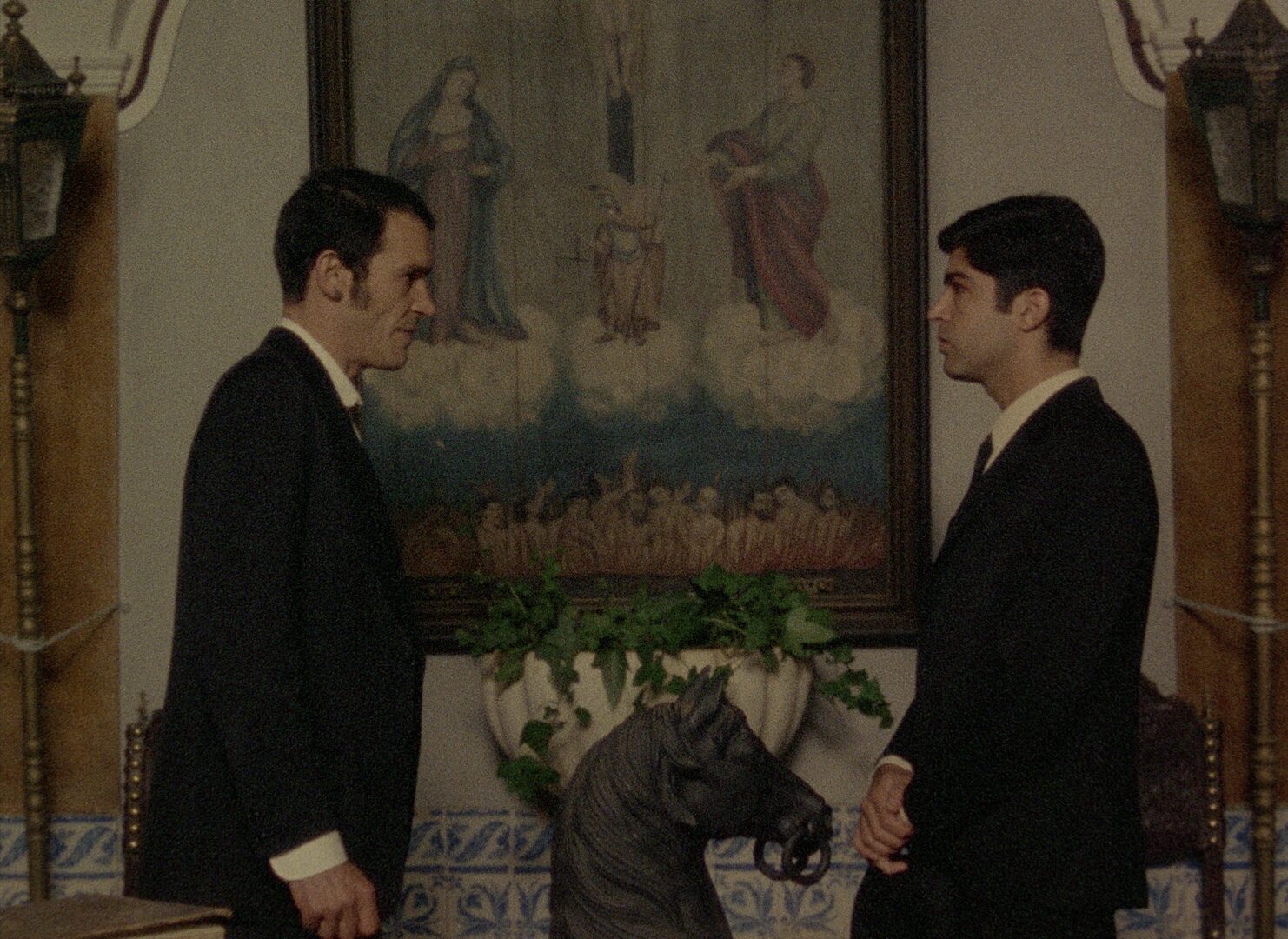
Inspired by the novel of the same name by Manuel da Fonseca, Luís Filipe Rocha directed one of the most remarkable Portuguese films of the 1980s: a portrait of the endless horizons and horizonless lives of Alentejo during the 1930s. It depicts the conflict between rural workers and landowners that defined the entire Estado Novo period.
A boy is returned from Lisbon to the embrace of his family in an Alentejo village, where he faces an arrogant and overbearing cousin, a symbol of the consolidating fascist power. The young man’s journey unfolds amid shadows and ghosts, conformity and prejudice, madness and suicide, anger and confrontation.
“More than a film about a particular reality, it is a work about the consequences of that reality on each individual. That is why someone said that Cerromaior was a film about loneliness, since all its characters, regardless of their social class or their relationships with each other, are profoundly alone.” (Luís Filipe Rocha)
The film, shot during June, July, and August 1979 in the town of Portel, Alentejo, involved the active participation of the village population and the region’s rural workers.
Digitisation
Digitization and restoration by Cinemateca Portuguesa - Museu do Cinema, under the scope of the Recovery and Resilience Plan. A measure integrated into the Next Generation EU program.
Themes
Literature | History | Drama | Alentejo